Panel Amps Described: 100A vs. 150A vs. 200A Electrical Panels
Homeowners do not think much about the circuit box until something blinks, trips, or smells hot. By then, you're already dealing with signs. The better way is to size the service properly before including circuits, electrical devices, or a car charger. The difference between 100 amp, 150 amp, and 200 amp electrical panels affects what you can safely power, how your home can grow, and how efficiently assessments and insurance approvals go.
I've spent years opening panels in homes from the 1940s to recently's brand-new builds. The stamp on the primary breaker tells part of the story, however the real picture originates from the home's load, future plans, and the geometry inside the cabinet: the number of spaces, the wire gauge, the condition of terminations, and whether anyone cut corners. Let's break the sizing concern down in useful terms, then layer on the code, normal loads, and where the edge cases bite.
What panel ampacity truly means
The amp score on a primary breaker is the maximum constant current the service is crafted to carry without going beyond temperature level limitations for the conductors, lugs, and bus. A 100 amp panel with a 100 amp main is designed so the service entryway conductors, meter, main breaker, and bus can continuously manage 100 amps at the designated temperature level ranking. You do not get more capability by counting the amount of your branch breaker ratings. Panels are crafted with diversity in mind. Not everything performs at when, and codes acknowledge that through load estimation methods.
Ampacity is married to the weakest link. If the meter base, service entryway cable, or main breaker is limited to 100 amps, replacing just the load center with a 200 amp cabinet does not offer you 200 amps. Utilities also have a say. Some service drops in older areas were initially sized for 60 or 100 amps. When you want to upsize to 200, the energy may need to upgrade the drop or transformer feeder, and that's a separate coordination task.
What changed given that "100 amps is enough"
Fifteen to twenty years earlier, 100 amps still made sense for lots of modest homes with gas heat, gas hot water heater, and no central air conditioning. Quick forward and the load landscape moved. Air conditioning prevails in regions that didn't utilized to need it. Induction varieties, heatpump hot water heater, heatpump a/c, and electrical car charging add large, steady draws. Even lighting has actually moved from incandescent to LED, which assists, but the huge hitters are bigger than ever.
The other trend is circuits. Kitchens now desire more small-appliance circuits, dedicated lines for microwaves, beverage refrigerators, or instant-hot taps. Office, media rooms, outside kitchen areas, and accessory house systems include additional need. You lack physical breaker spaces before you necessarily struck the thermal limitation, specifically in older 20 or 30 area panels.
What each panel size typically supports
Think of the amp ranking as your budget and the appliances as your recurring expenses. If you heat and cook with gas, your budget plan goes even more. If you're electrifying or strategy to, aim higher.
-
100 amp panels: Historically common in smaller homes, apartments, and cabins. Adequate for gas heat, gas water heating, a standard electric oven or clothes dryer (not both running hard during peak loads), and a single modest main air conditioner condenser. Once you add a hot tub or an EV charger, you're likely juggling loads. Subpanels and mindful load management can stretch a 100 amp service, but margins get tight.
-
150 amp panels: A sweet spot for many mid-size homes that still have gas heat and hot water but desire central air, a modern cooking area with a 40 or 50 amp variety, and space for a dryer plus a couple of specialized circuits. If an EV charger enters the mix, a 150 amp service can work with a load-sharing EVSE or a panel-mounted energy monitor that throttles charging when the house approaches its limit.
-
200 amp panels: The go-to for new single-family homes and anybody planning electrification. Supports multiple big loads conveniently: central HVAC, heat pump hot water heater, electrical variety, dryer, 40 to 60 amp EV charging, plus a workshop or accessory structure. The primary benefit is headroom. You don't have to struggle over every extra circuit. Inspectors and insurance providers likewise like seeing 200 amps in homes with higher load density.
There's also a 225 amp class of load centers, and 320/400 amp services for big homes, multi-zone heating and cooling, multiple EVs, and significant outbuildings. For many single-family homes under 3,000 square feet, the useful contrast still lands in the 100, 150, 200 conversation.
Anatomy of the choice: area, load, and future plans
I start by strolling the home and listing significant loads. Then I take a look at the panel for space, conductor size, and bus score. Lastly, I inquire about near-term jobs. Individuals seldom do just one upgrade. The kitchen remodel causes new home appliances, which results in a patio area medical spa or a detached office, which results in an EV.
Space matters as much as amperage. A 200 amp panel with 40 or 42 areas is far easier to deal with than a 100 amp, 20 area cabinet crowded with tandem breakers. Tandems are legal in numerous panels if the label permits them, however they're easier to abuse. Overstuffed seamless gutters with stiff cable make heat and maintenance worse. If you're currently updating, choose a bigger enclosure with copper bus and plentiful neutral/ground terminals to decrease shared bars and double-lug temptations.
For the load image, I believe in kW pails. A 200 amp, 240 volt service is a theoretical 48 kW. Reasonably, you do not want to plan for anywhere near that nonstop. A 100 amp service has to do with 24 kW. An EV at 40 amps consumes approximately 9.6 kW by itself. A heat pump water heater averages far less, but at full tilt can draw 4.5 kW. A 3-ton heatpump might spike to 20 to 30 amps on startup, then settle to 12 to 18 amps depending upon SEER and inverter style. Include a variety at 40 to 50 amps, a clothes dryer at 24 to 30 amps, and you can see how peak coincident loads quickly narrow the security margin in a 100 amp service.
How the code sees it: load estimations in plain terms
The National Electrical Code gives us two techniques for service sizing: the requirement approach and the optional technique. Both apply need factors, which are essentially diversity presumptions that not all loads struck peak simultaneously. The optional technique frequently yields a more practical, often lower, service size for typical residences.
Here's the gist without disposing a worksheet on the table. You tally general lighting and receptacle loads using a watts per square foot value. Then add nameplate scores for fixed home appliances like ranges, ovens, dryers, dishwashing machines, disposals, microwaves, water heaters, heaters with electric blowers, heatpump, and well pumps. Apply demand elements that minimize the amount to a more realistic maximum expected draw. Large motor loads and EV charging get special consideration. When in doubt, usage manufacturer data. If you're including solar with a supply-side connection or a backup inverter, NEC 705 and 702 rules enter into play and can alter bus rankings or backfeed limits.
In practice, when the determined load lands above 80 percent of the service score, your space for error is small. That's where annoyance tripping and dimming start to sneak in throughout heat waves or cold snaps. At that point, either reduce planned loads, employ load management, or step up to the next service size.
Case examples from the field
A 1950s cattle ranch, 1,300 square feet, initial 100 amp panel, gas heater and hot water heater, 2.5 lot air conditioning, gas range, electric dryer. The owners added a jacuzzi and wanted a Level 2 EVSE. We might have shoehorned a load-shedding EV charger and a health club detach with a little subpanel. The optional approach load calc came in flirting with the edge. The panel had just 20 spaces, several tandems, and a corroded neutral bar. We upsized to a 200 amp, 40 area panel. The utility swapped the drop in three hours. That solved space, security, and future headroom in one go.
A 1990s two-story, 2,200 square feet, 150 amp service, all gas other than a 50 amp induction range, 3.5 heap heat pump, plus a 40 amp EVSE. The owners wanted a 2nd EVSE and a yard sauna. The load calc with 2 40 amp EVSEs peaked near to the 150 amp service, especially in winter with heat strips. We kept the 150 amp service, installed a UL-listed energy management system that throttles each EVSE dynamically based upon whole-home draw, and leveraged the heat pump's wise thermostat to disable strips while preheating. The owners saved the cost of a full service modification and remained within code because the control system is automated, not manual.
A new build with electrification objectives: heatpump heating and cooling, heatpump hot water heater, 60 amp EVSE, induction variety, future ADU. No dispute there. We set up a 200 amp service with a 225 amp ranked bus, solar-ready space allotment, and a feeder to a removed subpanel stubbed for the ADU. The upfront spend was greater than a basic 150 amp install, but far lower than retrofitting later.
Subpanels, tandem breakers, and why "more spaces" beats "more techniques"
Subpanels are an excellent method to move circuits closer to loads and reduce congestion in the main cabinet. Garages, shops, and additions frequently benefit from a 60 to 125 amp feeder with its own breaker spaces. Subpanels do not give you more service amperage, they rearrange it. They are tools for company and practical routing.
Tandem breakers have their location when the panel style allows them, however they are often abused. Real issues are born when someone installs tandems in positions not noted for them, doubles up neutrals on one terminal, or stuffs extra-large conductors under small screws. Heat rises, connections loosen, and problem journeys appear. Whenever I see rows of tandems loaded shoulder to shoulder, I start searching for other faster ways. If you're considering a service upgrade anyway, a larger panel with full-size breakers aged in air is a safer and cleaner service than leaning on tandems.
The energy and permitting wrinkle
Upgrading to 200 amps is not only about swapping a box. The upstream and downstream matter. Upstream, the utility might need to replace the drop or lateral, meter, or transformer tap. Some charge a fee, some don't, and schedules differ. Build this into your timeline.
Downstream, your grounding and bonding need to satisfy present requirements. That can suggest new grounding electrode conductors to ground rods or a UFER, bonding the water and gas piping where required, and sorting out any bootleg neutrals downstream. If you move the service place, anticipate stucco repair, brick drilling, or siding work. Inspectors pay very close attention to service clearances and working space in front of the panel. A laundry rack, hot water heater, or furnace blocking the workspace is a typical snag.
Cost, worth, and when to select each size
Costs differ by region, meter location, service drop type, and how much wall surgical treatment is needed. I have actually seen clean 100 to 200 amp upgrades land in the 2,500 to 4,500 dollar range when the utility and grounding work are straightforward, and reach 6,000 to 8,000 dollars when trenching, mast replacements, or meter relocations are included. The parts themselves, especially copper and quality breakers, have actually likewise crept up.
If your home is conveniently running on a 100 amp service and you have no prepare for EV charging, hot tubs, or electrification, a well-maintained 100 amp panel can be perfectly acceptable. When an insurance company balks, it's normally due to the fact that of particular equipment, like specific recalled load centers or fuse panels, not the amp score itself.
If you anticipate moderate growth however not complete electrification, 150 amps is a pragmatic middle ground. The catch is panel area. Choose a model with generous spaces and a noted bus ranking that enables some solar backfeed or an interlock for a portable generator. If you're on the fence between 150 and 200 and the cost delta is modest, the additional headroom tends to pay for itself in flexibility.
If you want even one EV at 40 to 60 amps, a heat pump water heater, and a contemporary kitchen, 200 amps normally keeps you out of corner cases and load management devices. Two EVs or a workshop with several 240 volt tools point a lot more highly to 200 amps.
Energy management and "smart" methods to stretch a smaller service
Load management has actually grown. We now have panel-level screens that determine whole-house draw and immediately shed or throttle chosen loads. An EVSE can be programmed to charge at 16 or 24 amps, which, for over night charging, still renews a normal commute. Demand-response thermostats can collaborate strip heat lockouts. Health spa heating units can be set to avoid peak times.
These tools make a 100 or 150 amp service more habitable when upsizing isn't possible. They also add complexity and points of failure. The crucial requirement is that any load-shedding or throttling used in a code load computation should be automatic, not depending on the homeowner turning switches. Inspectors require to see the listing and installation guidelines that prove the gadget enforces limits without human intervention.
The physical construct quality inside the panel
The amp score is only as excellent as the craftsmanship. When I open a panel, I'm trying to find tight lugs, right torque, clean copper, no overheated insulation, and nicely dressed conductors. Aluminum feeders are great when set up right, with antioxidant substance and correct torque. Copper bus normally endures abuse better than aluminum bus. Breakers must match the panel's listing, not a grab-bag of bargain brands.
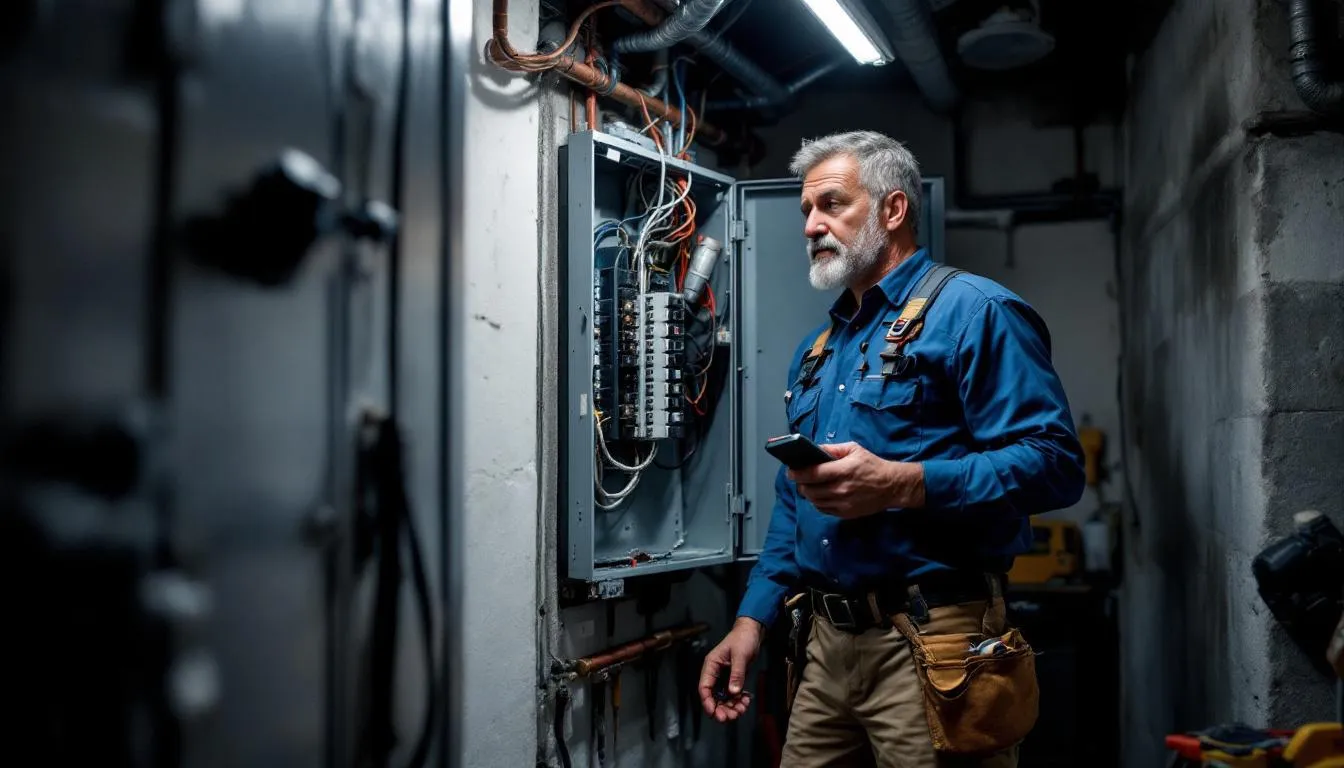
Neutral and ground separation is another typical flaw. In the service disconnect enclosure, neutrals and grounds bond. In subpanels downstream, neutrals need to float on a separated bar, and grounds bond to the can. That single rule prevents a parade of low-level shocks and mysterious GFCI trips.
Finally, labeling matters. Future you will thank present you for a readable circuit directory. It reduces troubleshooting, makes emergency situation shutdowns much safer, and protects worth when you sell.
Solar, batteries, and backfeed limits
If you plan to add solar or a battery system, the panel size and bus rating matter beyond simply amps. The 120 percent guideline in the NEC restricts how much backfed present a panel can accept based on bus rating and main breaker size. As a basic example, a 200 amp panel with a 200 amp main can frequently accept as much as a 40 amp solar backfeed breaker at the opposite end of the bus, if the labeling and arrangement enable it. Some makers use panels with a 225 amp bus combined to a 200 amp main, which offers additional headroom for solar interconnection.
Batteries that connect on the load side share comparable constraints. Supply-side taps are another path when the panel bus is the limiting factor, however those require mindful coordination and space for a service-rated detach. If you're at the style phase, picking a 200 amp panel with a generous bus and devoted solar-ready positions conserves headaches.
Safety and code upgrades that frequently accompany panel changes
Modern electric codes have layered in more GFCI and AFCI security, tamper-resistant receptacles, and clearer grounding guidelines. When you change a panel, inspectors typically require the new work to meet current code, which suggests:
- GFCI security for designated kitchen area, restroom, laundry, garage, outdoor, and basement circuits where needed, with factory-combo breakers or device-level protection as appropriate.
- AFCI security on lots of habitable space circuits, depending on jurisdiction and code cycle.
- Correct bonding of metal piping and service devices, confirmed with accessible clamps and conductors sized to code.
- Working clearances kept: 30 inches large, 36 inches deep, 6.5 feet high, devoid of storage.
- Proper service detach labeling and a primary bonding jumper just at the service disconnect.
These items are not optional flourishes. They lower fire and shock threat in quantifiable methods. Budget plan time and money for them along with any panel replacement.
When a subpanel beats a service upgrade
Not every crowding problem requires a larger service. If your load calc shows a lot of headroom however your primary panel has no free spaces, adding a 60 or 100 amp subpanel from the existing service can be the cleanest repair. Common scenarios consist of a detached garage requiring a handful of 120 volt circuits plus a 240 volt outlet, or a cooking area remodel where the run to the primary panel is long and full.
The guideline is easy. If the feeder you can spare comfortably serves the anticipated subpanel loads without tripping the main routinely, and your main's bus ranking supports the extra breaker, a subpanel is effective. If you're already pushing the main near its limitation, or if you're preparing several brand-new high-amperage loads over the next couple of years, step up the service.
Practical steps to choose your size
Here is a brief, focused course I advise to clients when they're uncertain which way to go:
- List every considerable present and organized load with nameplate amps or kW: HEATING AND COOLING, water heating, range, dryer, EVSE, spa, workshop tools, well pump, and any future ADU.
- Verify the existing service elements: panel amp ranking, bus rating, number of areas, conductor sizes, and meter capability. Note any indications of getting too hot or corrosion.
- Run a domestic load computation using the optional approach. If you're near or above 80 percent of the service score, consider upsizing or load management.
- Check with the utility about service drop capacity and procedure. Get clarity on charges and timelines before dedicating to a schedule.
- Compare expense and interruption between a service upgrade and targeted repairs like a subpanel or an energy management device. Pick the course that leaves the most headroom for the next five to 10 years.
The bottom line for 100A, 150A, and 200A panels
A healthy 100 amp electrical panel can still serve a smaller sized home that depends on gas for heat and warm water and has modest electrical home appliances. It starts to feel cramped in both spaces and amps as soon as you add central air, a hot tub, or an EV charger.
A 150 amp panel covers a large range of mid-size homes easily, specifically with gas for the big thermal loads. It sets well with one EV on a handled charger and a contemporary cooking area. If your house leans electrical and you see numerous large loads on the horizon, 150 amps ends up being a shift point rather than an endpoint.
A 200 amp panel provides the breathing room most house owners want today. It supports electrification without continuous compromises, makes solar and battery integration electrical panel replacement easier by virtue of bus and space, and provides inspectors and insurers fewer reasons to comment. When spending plans permit, 200 amps is the default recommendation for new work and major remodels.
Whatever size you select, focus on quality equipment, tidy setup, and honest load estimations. Electrical power has little tolerance for wishful thinking. Develop the capability you need, identify it plainly, and you will forget your panel exists, which is precisely how an electrical panel ought to live its life.